
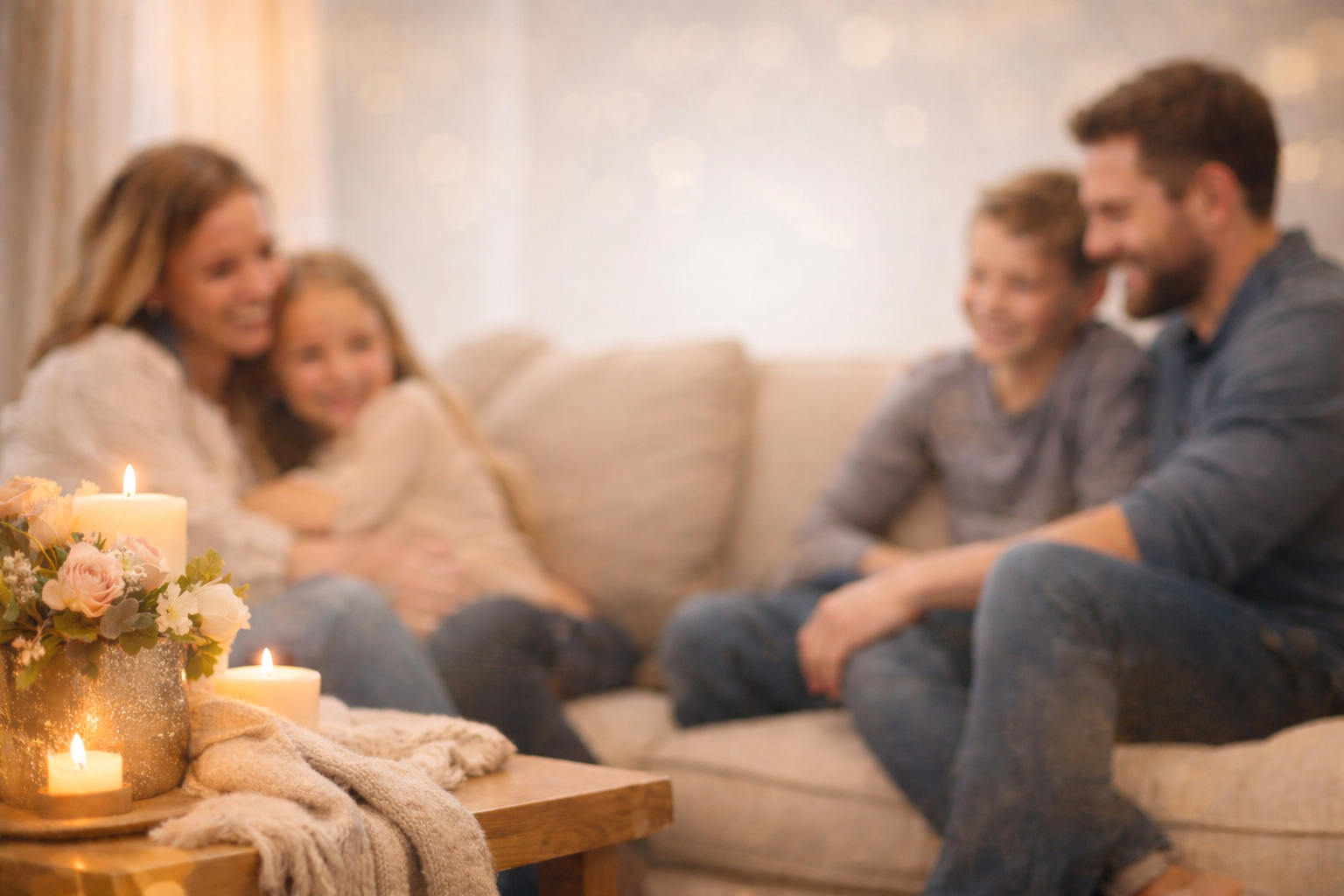
Creating a Home That Feels Safe, Not Just Structured:
Listen to This Post
Creating a home that feels safe, not just structured, is one of the most meaningful goals a family can pursue. Many households are highly organized. They have routines, chore charts, calendars, and clearly defined expectations. While structure is important, structure alone does not create emotional security.
A home can run efficiently and still feel tense. It can look peaceful from the outside while anxiety quietly lives inside its walls. That is why creating a home that feels safe, not just structured, requires intentional effort beyond schedules and systems.
A safe home is not simply well-managed. It is emotionally grounded. It is a place where family members can be honest, express feelings, make mistakes, and grow without fear of rejection or harsh judgment.
Let us explore how to build that kind of environment.
Why Structure Alone Is Not Enough
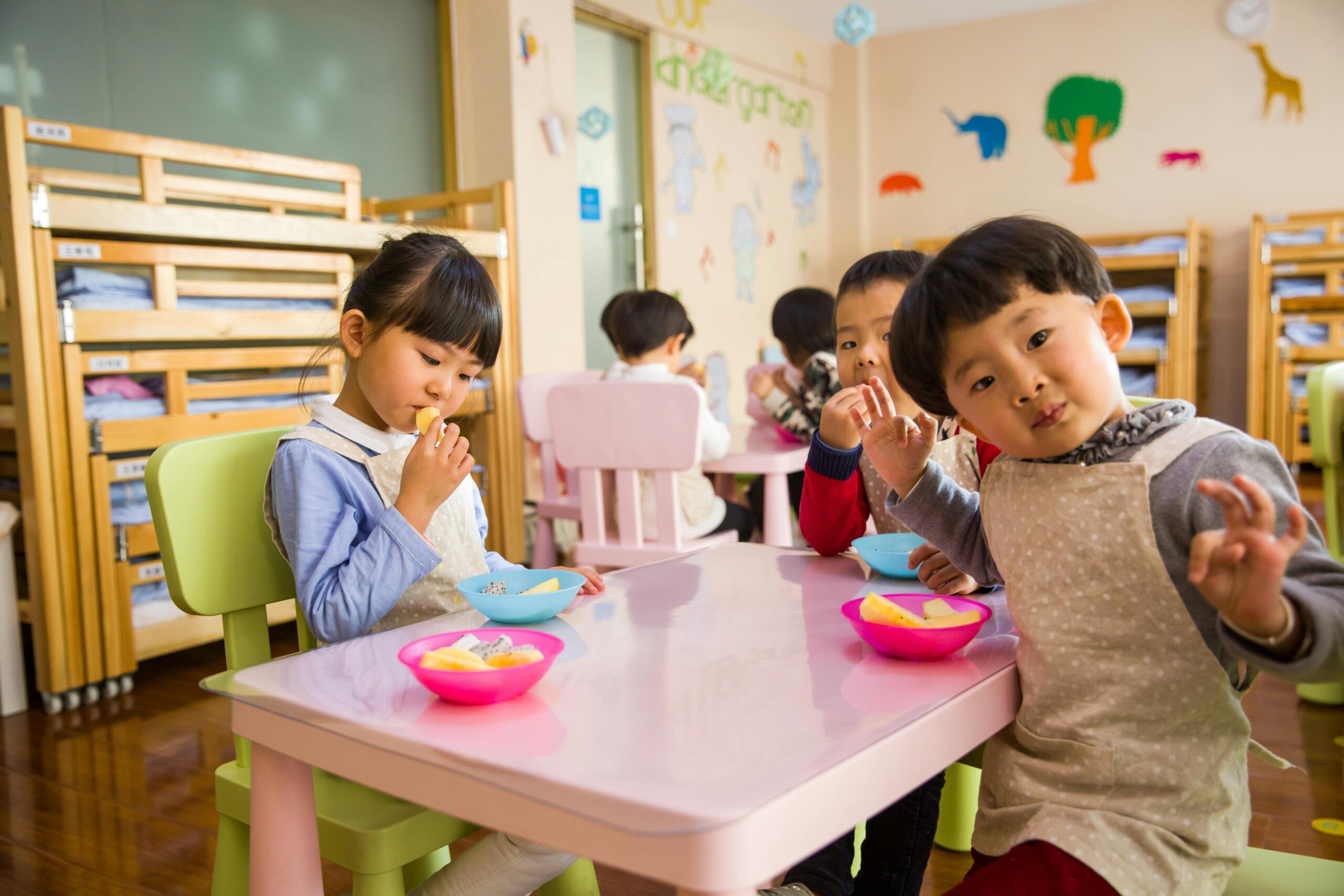
Structure gives children stability. It helps marriages run smoothly. It provides predictability. Tools like wall calendars, weekly planners, and chore systems can reduce chaos and make life manageable.
For example, many families benefit from using a visual family wall planner like the Acrylic Family Command Center Calendar to keep everyone aligned with appointments and responsibilities. Organization reduces stress.
But structure without emotional safety can feel rigid.
When rules outweigh relationship, children may comply but not connect. When routines become more important than communication, spouses may coordinate logistics without nurturing intimacy. Creating a home that feels safe, not just structured, means structure serves the family, not the other way around.
What Does a Safe Home Feel Like?
A safe home feels calm even during conflict. It allows questions without shame. It encourages truth without punishment.
Emotional safety means:
- You can admit when you are wrong
- You can express emotions respectfully
- You are not afraid of harsh reactions
- Mistakes are met with guidance, not humiliation
Children especially thrive in homes where correction is paired with reassurance. Consider keeping a devotional like “The Power of a Praying Parent” by Stormie Omartian nearby to intentionally pray over your children’s emotional development and sense of security.
Safety grows when discipline and love are balanced.
The Role of Tone in the Home
The emotional tone of a home often matters more than the rules within it. You can have clear bedtime boundaries and still speak gently. You can correct behavior while preserving dignity. Tone shapes how messages are received.
Ask yourself:
- Is my voice usually calm or reactive?
- Do my children or spouse seem tense around me?
- Do we laugh together regularly?
Sometimes small changes shift the atmosphere. Soft lighting in the evenings, worship music playing quietly, or even a cozy throw blanket like the Bedsure Fleece Throw Blanket can make common spaces feel inviting instead of clinical.
Creating a home that feels safe, not just structured, involves paying attention to environment as well as words.

Emotional Availability Builds Security
One of the strongest foundations of safety is emotional availability.
This means:
- Listening without interrupting
- Validating feelings before correcting behavior
- Being present without distractions
If conversations constantly compete with phones or television, family members may feel unheard. Consider setting boundaries like a Phone Lock Box for Family Time during dinner or evening check-ins.
When someone feels heard, they feel valued. When they feel valued, they feel safe.
Safe Homes Allow Healthy Conflict
Many people confuse safety with the absence of conflict. But true safety allows disagreement without fear.
In marriage, this means you can discuss finances, parenting styles, or expectations openly. In parenting, it means children can respectfully share frustration or confusion. Helpful tools like “The 5 Love Languages” by Gary Chapman can strengthen understanding between spouses and help create emotional reassurance during tense seasons.
Creating a home that feels safe, not just structured, does not eliminate correction or discipline. It simply ensures that conflict never threatens belonging.
Predictability Creates Security
While emotional warmth is essential, predictability also matters. Safety grows when family members know what to expect.
- Consistent mealtimes
- Reliable bedtime routines
- Clear consequences
- Follow-through on promises
Children especially need consistency to feel secure. Using a simple Magnetic Routine Chart for Kids can support expectations without constant verbal reminders, reducing tension. Structure supports safety when it is consistent and fair.
Modeling Safety as Parents
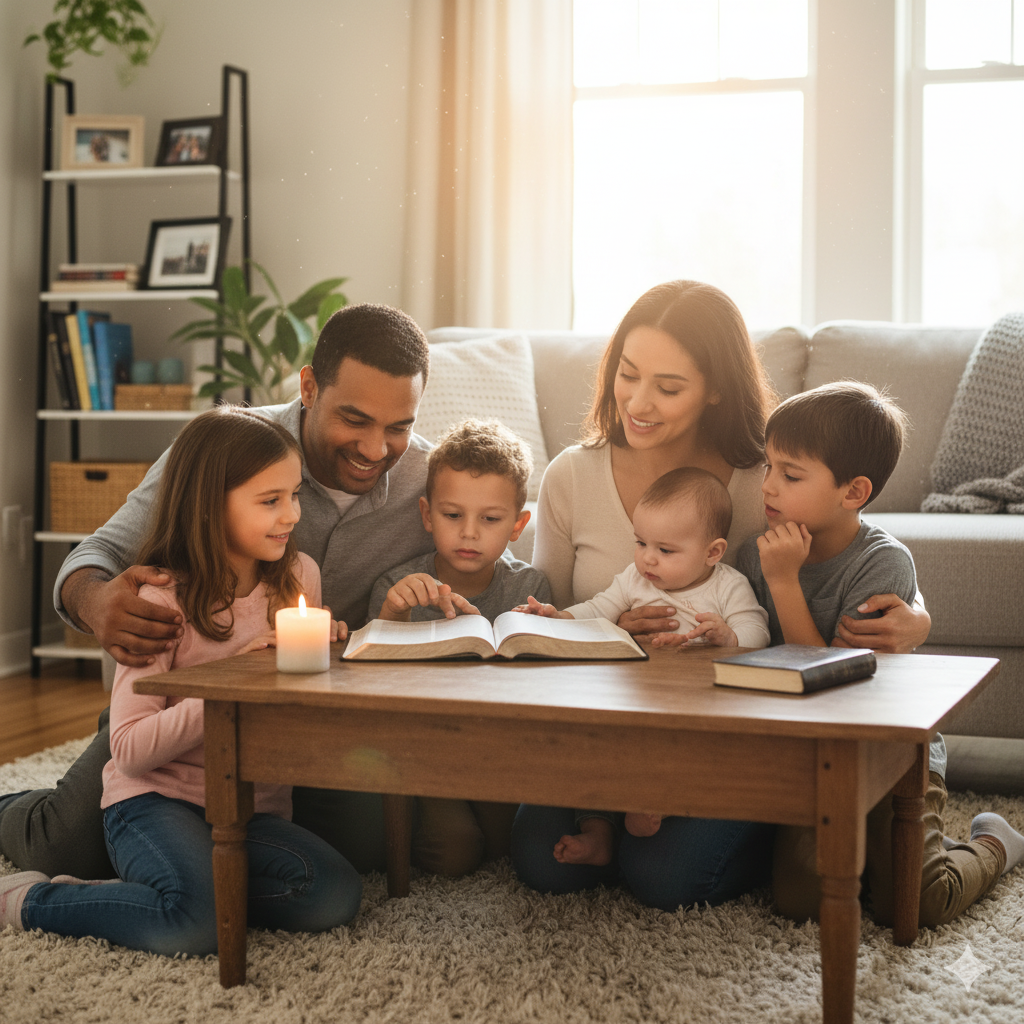
Parents set the emotional thermostat of the home. If you respond to stress with calm problem-solving, your children learn stability. If you apologize when you overreact, your children learn humility. If you forgive quickly, your home reflects grace.
No home is perfect. There will be loud days and imperfect reactions. What matters most is repair.
Repair sounds like:
- “I am sorry I raised my voice.”
- “Let’s try that conversation again.”
- “You are more important than this mistake.”
These moments create long-term trust.
Physical Environment Matters Too
While emotional safety is primary, physical comfort contributes significantly.
Consider:
- Warm lighting instead of harsh brightness
- Family photos displayed intentionally
- A designated quiet corner for reading or reflection
- A shared prayer space
Even simple additions like the LEVOIT Air Purifier for Home can improve overall comfort and wellness, contributing to a calmer environment. Safety is both emotional and sensory.
Creating Rhythms of Connection
Safety deepens when connection becomes habitual, Weekly family meetings, Monthly date nights, Evening gratitude sharing, Bedtime prayers. These rhythms communicate: “You matter. We are in this together.”
You might consider a guided family devotional like “New Morning Mercies” by Paul David Tripp“ to encourage spiritual growth and connection around shared truth. Creating a home that feels safe, not just structured, requires consistent relational investment.
When Structure Overpowers Safety
If your home feels tense despite organization, ask:
- Are we prioritizing performance over relationship?
- Are we correcting more than encouraging?
- Are we rushing more than connecting?
Sometimes safety grows simply by slowing down. Reduce overscheduling. Protect family dinners. Limit unnecessary obligations. A home does not need to be perfectly optimized to be deeply secure.

The Long-Term Impact of a Safe Home
Children raised in emotionally safe homes often develop:
- Higher confidence
- Better emotional regulation
- Stronger communication skills
- Greater resilience
Marriages rooted in safety grow deeper intimacy and trust. Creating a home that feels safe, not just structured, is not about relaxing standards. It is about balancing guidance with grace. Over time, safety becomes the foundation on which structure rests.
Final Thoughts
Structure organizes life. Safety nurtures hearts. Both are necessary. But when forced to choose priority, relationship must lead. Schedules can change. Systems can improve. But emotional security builds legacies.
Today, ask yourself:
What small shift can I make to increase warmth in my home? Maybe it is lowering your voice. Maybe it is listening longer. Maybe it is apologizing first. Maybe it is praying together. Creating a home that feels safe, not just structured, begins with one intentional choice at a time.
For more marriage and family encouragement, visit blissfullywedded.com, and for deeper spiritual reflections, explore walkingwiththelord.net.
